
Crops We Insure

Crop insurance for almonds, walnuts, pistachios, cherries, wine grapes and tomatoes

Each crop has its own policy, deadlines and coverage options. Here's what's available for the crops we write most often in California, with each one's sales closing date. Your exact options depend on your county and practice, so we confirm them with you before you sign up.

Almond orchard in full bloom
Almonds crop insurance

Almonds

Almonds are the backbone of a lot of Valley operations, and a single bad bloom or harvest can swing a year. MPCI yield coverage protects your orchard's production history against frost, hail, wind, excess rain and other natural causes of loss.

California sales closing dateDecember 31
  • MPCI yield protectionCoverage based on your orchard's Actual Production History (APH), from catastrophic (CAT) up to 85% buy-up levels.
  • SCO & ECOCounty-based add-ons that cover part of your MPCI deductible, with an 80% premium subsidy. How they work
  • Whole-Farm Revenue ProtectionA good fit if almonds are one of several crops on your operation.
  • Crop-HailPrivate hail coverage added on top of MPCI for spring storms.

Where we write it: Grown across the Central Valley from San Joaquin to Kern, and in the Sacramento Valley (Colusa, Glenn, Butte, Yolo). See all regions →
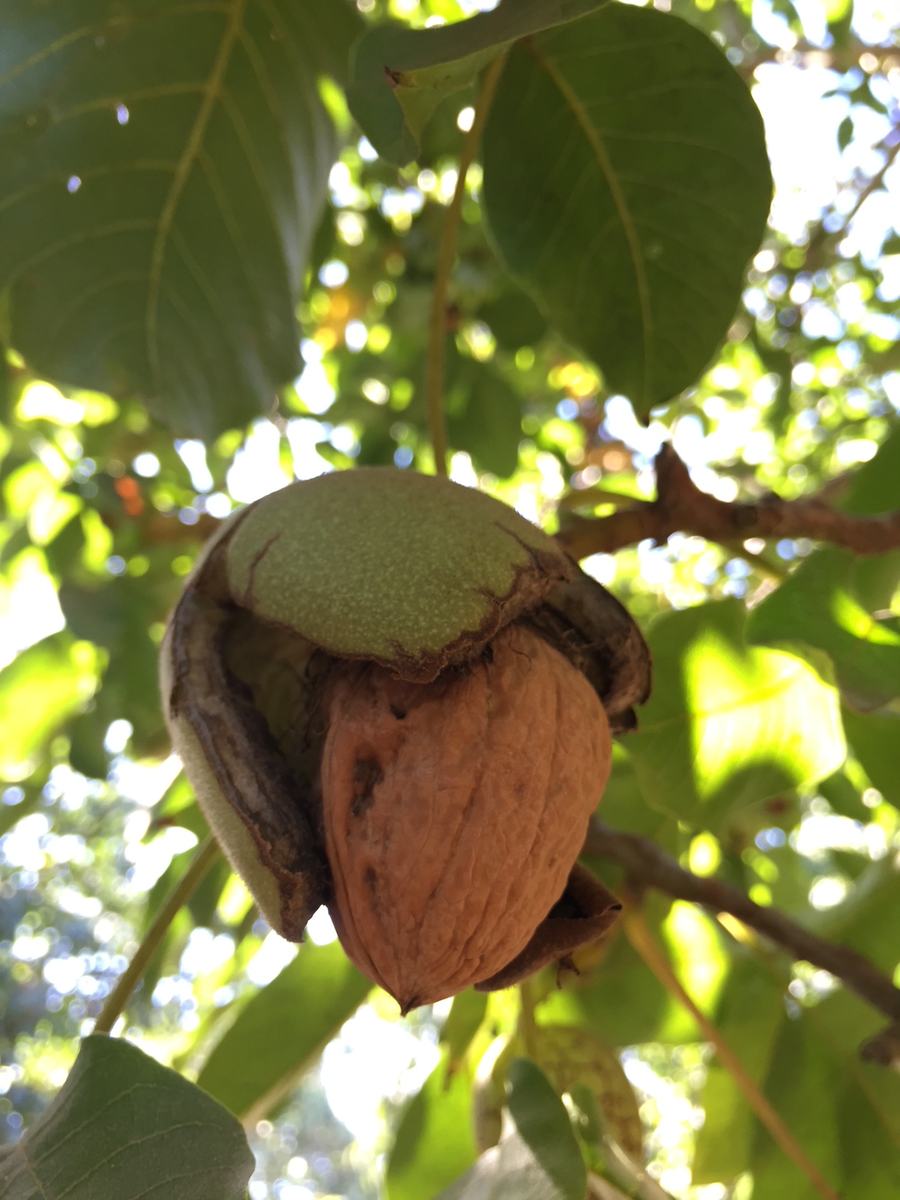
Walnut still in its husk, ready for harvest
Walnuts crop insurance

Walnuts

Max farmed walnuts himself, so he knows how spring freezes, summer heat and harvest rains hit them. MPCI covers your walnut production against those natural causes of loss, based on your orchard's history.

California sales closing dateJanuary 31
  • MPCI yield protectionAPH-based coverage from CAT up to 85% buy-up levels, with unit options that fit how your blocks are farmed.
  • SCO & ECOCounty-based add-ons that cover part of your MPCI deductible, with an 80% premium subsidy. How they work
  • Whole-Farm Revenue ProtectionCovers revenue across the whole farm when walnuts are part of a diversified operation.
  • Crop-HailSupplemental hail coverage during the growing season.

Where we write it: Grown from Tehama, Butte, Glenn, Sutter and Yuba south through San Joaquin, Stanislaus and Tulare. See all regions →

Pistachios crop insurance

Pistachios

Pistachio acreage keeps growing in the southern San Joaquin Valley and is moving north. Pistachios bear in alternating heavy and light years, so clean, accurate production records make a big difference to the coverage you can buy.

California sales closing dateDecember 31
  • MPCI yield protectionAPH-based coverage from CAT up to 85% buy-up levels.
  • Whole-Farm Revenue ProtectionAn option for growers with pistachios and other crops.
  • Crop-HailPrivate hail coverage to stack on top of MPCI.

Where we write it: Grown mostly in Kern, Fresno, Tulare, Madera and Kings, with expanding acreage in Sacramento and Yolo counties. See all regions →

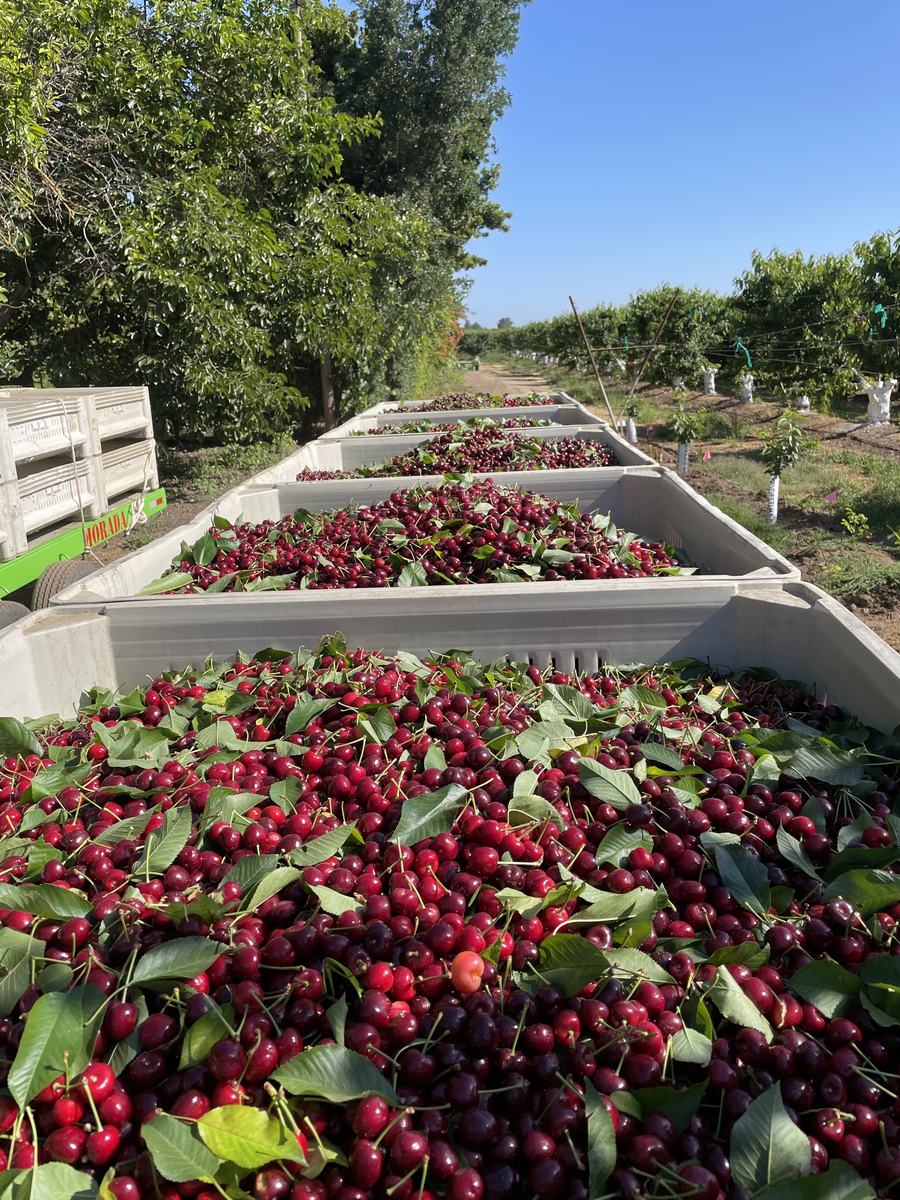
Bins of freshly harvested cherries along a packing line
Cherries crop insurance

Cherries

Linden is cherry country, and Max grew them here. Rain at harvest, low chill and spring freezes can all wipe out a crop. California sweet cherry growers can insure revenue, not just yield, under the Actual Revenue History (ARH) Sweet Cherry plan.

California sales closing dateJanuary 31
  • ARH Sweet CherryRevenue-based coverage built on your own revenue history. Enterprise units are available starting with the 2025 crop year.
  • Whole-Farm Revenue ProtectionAn alternative or companion for diversified operations.
  • Crop-HailSupplemental hail coverage during the spring.

Where we write it: Grown around Linden, Lodi and Escalon in San Joaquin County, and in Stanislaus, Kern and San Benito counties. See all regions →

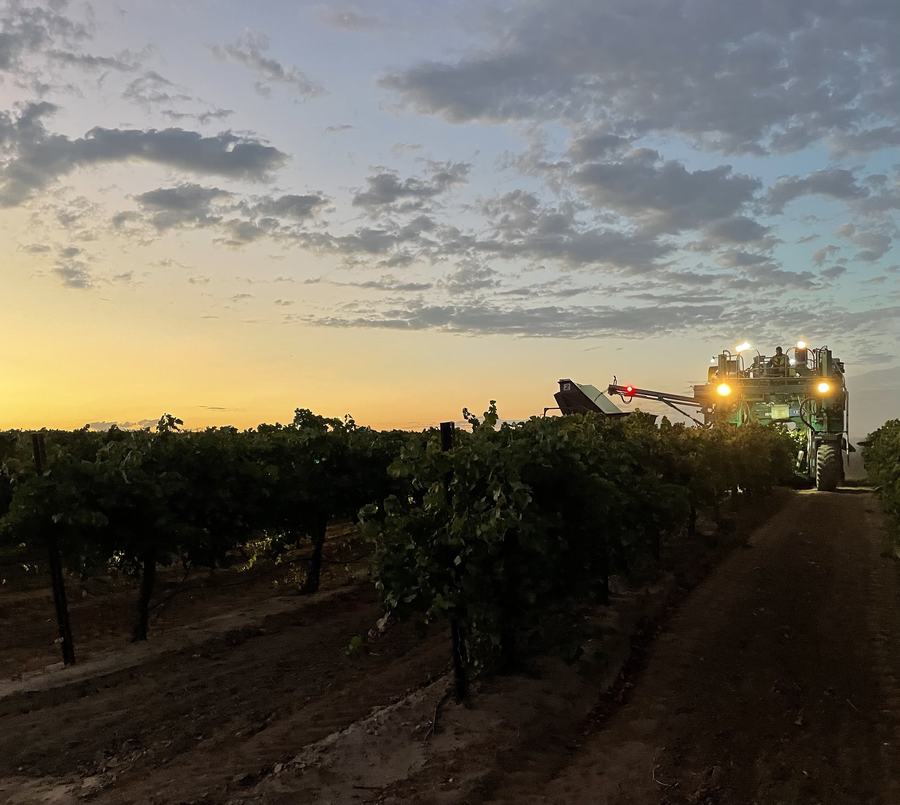
Wine grape harvester working a vineyard row at dusk
Wine grapes crop insurance

Wine grapes

Frost at bud break, heat waves and rain at harvest are the big risks for vineyards. California grape coverage uses price elections set by variety and crush district, so the value of your coverage follows what your grapes actually sell for in your area.

California sales closing dateJanuary 31
  • MPCI grape coverageAPH-based coverage with variety and district-specific prices, from CAT up to 85% buy-up levels.
  • SCO & ECOCounty-based add-ons that cover part of your MPCI deductible, with an 80% premium subsidy. How they work
  • Whole-Farm Revenue ProtectionCovers the whole operation, which helps if you also grow other crops.
  • Crop-HailSupplemental coverage for hail damage.

Where we write it: Grown in Lodi and the Delta (San Joaquin, Sacramento), Madera and Fresno, and on the Central Coast in Monterey, San Luis Obispo and Santa Barbara counties. See all regions →

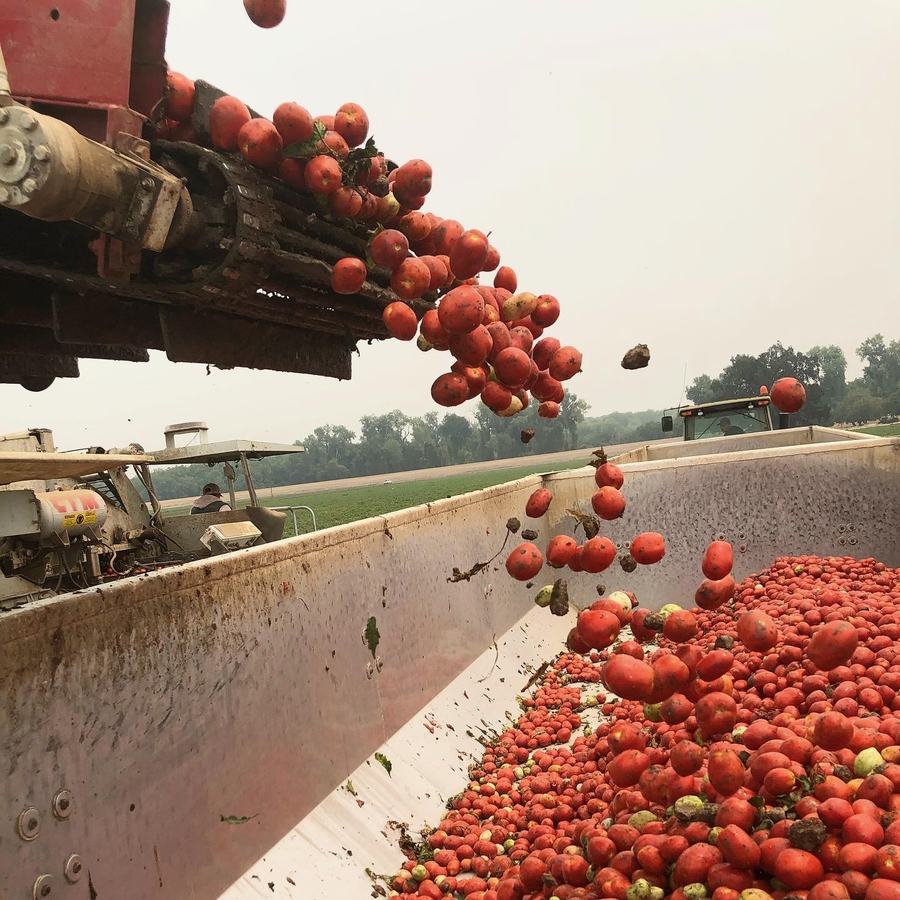
Processing tomatoes pouring into a harvester bin
Processing tomatoes crop insurance

Processing tomatoes

Processing tomato coverage is tied to your contract with the processor, so the policy has to line up with your contracted acres and planting schedule. We help you get the paperwork right before the sales closing date and the acreage report.

California sales closing dateJanuary 31
  • MPCI yield protectionAPH-based coverage on contracted acreage, from CAT up to 85% buy-up levels.
  • Whole-Farm Revenue ProtectionA good fit for row-crop operations growing tomatoes alongside other crops.
  • Crop-HailPrivate hail coverage for the growing season.

Where we write it: Grown in Fresno, Yolo, Colusa, Solano, Kings, Merced, Stanislaus and San Joaquin counties. See all regions →

SCO & ECO

Cover part of your deductible with SCO and ECO

Your individual MPCI policy tops out at 85% coverage, so you always carry a deductible. The Supplemental Coverage Option (SCO) and Enhanced Coverage Option (ECO) are add-ons from USDA's Risk Management Agency (RMA) that cover part of that gap. They pay based on how your county does, not on your own farm's results.

Your MPCI policy
up to 75%
SCO
75–86%
ECO
86–95%
Not
covered
50%75%86%95%100%
Example: a 75% MPCI policy with SCO and ECO at 95%, using the current RMA levels. Starting with the 2027 crop year, SCO will reach 90%. The scale starts at 50% of expected yield or revenue.
Supplemental Coverage Option

SCO

  • Covers from your MPCI coverage level up to 86% of expected county yield or revenue. That rises to 90% starting with the 2027 crop year.
  • Pays when the county falls below that level, and pays in full when the county drops to your MPCI coverage level.
  • Follows your underlying policy: yield coverage under a yield policy, revenue coverage under Revenue Protection.
  • 80% of the premium is paid by the government, up from 65%, on policies with sales closing dates on or after July 1, 2025.
Enhanced Coverage Option

ECO

  • Adds area coverage above SCO, up to 90% or 95% of expected county yield or revenue.
  • Pays in full when the county falls to 86%. You can buy it with or without SCO.
  • For the 2026 crop year, ECO is how growers reach 90% area coverage before SCO moves up in 2027.
  • Now also gets the 80% premium subsidy.

Which crops? RMA added ECO for almonds, walnuts and grapes starting with the 2025 crop year, alongside apples and blueberries. California citrus becomes eligible starting in 2026. SCO is available for these crops in select counties. RMA does not currently list pistachios, cherries or processing tomatoes for ECO.

Good to know: Because SCO and ECO pay on county results, you can have a loss on your farm without an SCO or ECO payment, or get a payment without a farm loss. Payments come after RMA finalizes county results, which can be well after harvest. Both must be added by your crop's sales closing date, with the same insurance company as your MPCI policy.

Source: USDA Risk Management Agency, ECO fact sheet, SCO fact sheet and MGR-25-006. Availability varies by county. Ask us whether SCO or ECO is offered for your crop and county.

More Crops

Other crops we insure

We also write coverage for these crops, plus Whole-Farm Revenue Protection for diversified operations. Check Important Dates for every sales closing date.

RicePrunesWheatBarleyCornCottonApplesPeachesOlivesStrawberriesAvocadosCitrusRaisinsAlfalfa & foragePasture, Rangeland & Forage
Dates and plan options can vary. The dates above are USDA Risk Management Agency's standard California sales closing dates. Available plans and coverage levels can differ by county, practice and crop year. Contact us to confirm what applies to your operation.

Ready to review your coverage?

Tell us your crops, acreage and county, and we'll put together your options.

Request a QuoteCall (209) 986-0255